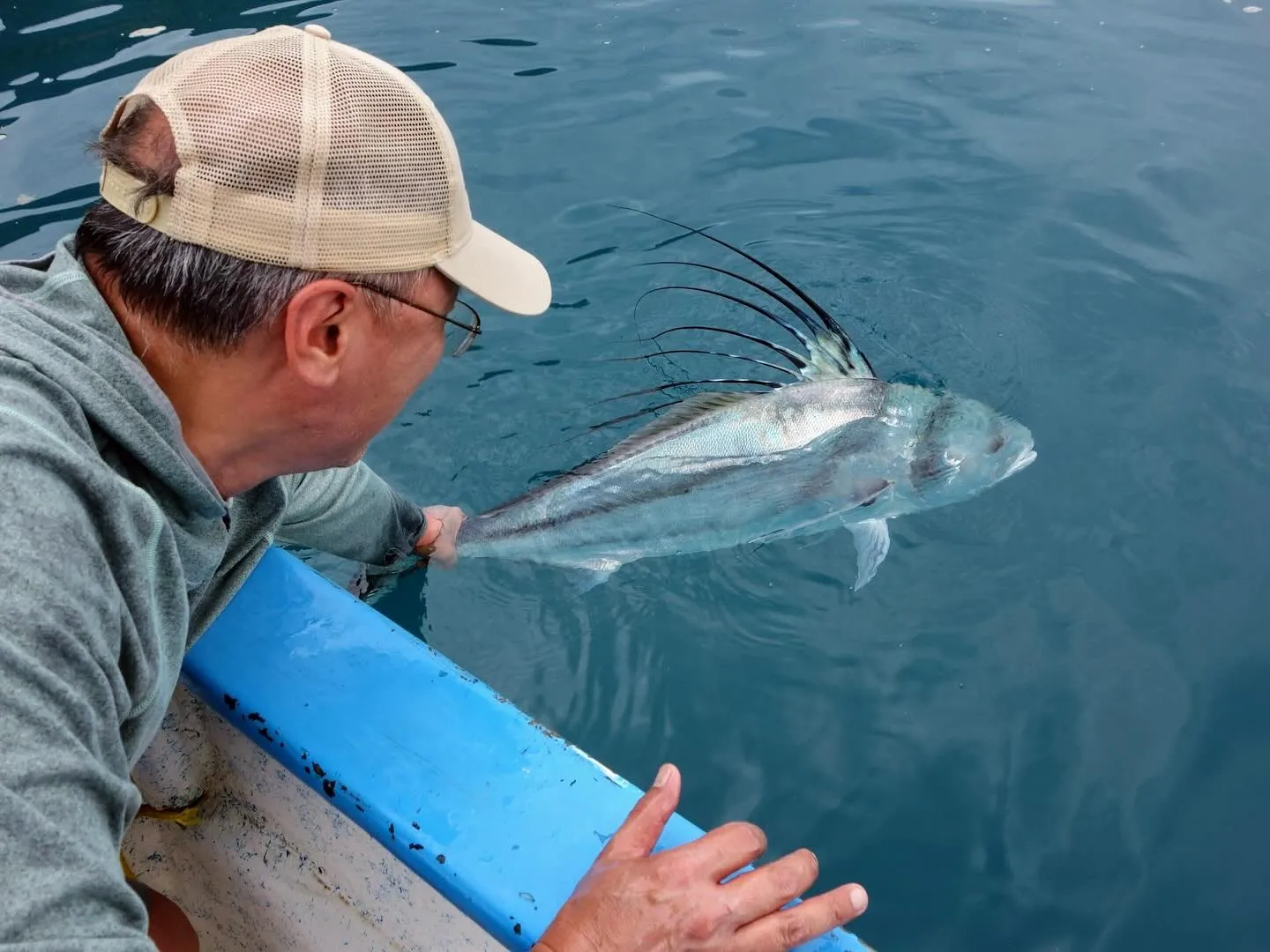
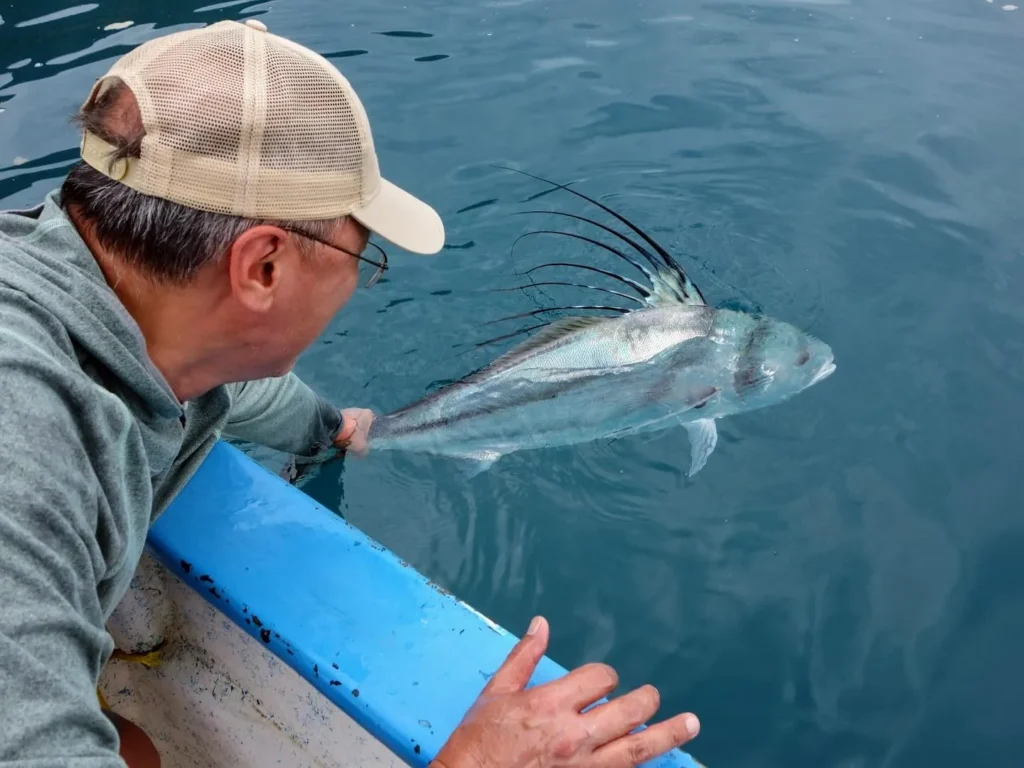
In this episode, I sat down with John Hunt from Moccasin Fly Club to dig into what these trips actually look like. We got into fly fishing Baja liveaboards, chasing trophy roosterfish, and the stuff most people don’t think about until it’s too late.
If Baja has been on your radar, this one gives you a clear picture of what to expect and how to do it right.
John Hunt is part of Moccasin Fly Club, helping anglers plan and execute fishing trips around the world. From Baja to Mongolia to Brazil, his focus is on making big trips accessible while keeping quality high.
He’s built a network of destinations, guides, and systems that take the guesswork out of travel fishing.
John just wrapped a busy show season hitting events across the country. From Denver to Seattle to Edison, each show brought a different crowd and different conversations.
Denver stood out as one of the busiest stops, while Seattle brought a strong steelhead-focused crowd.
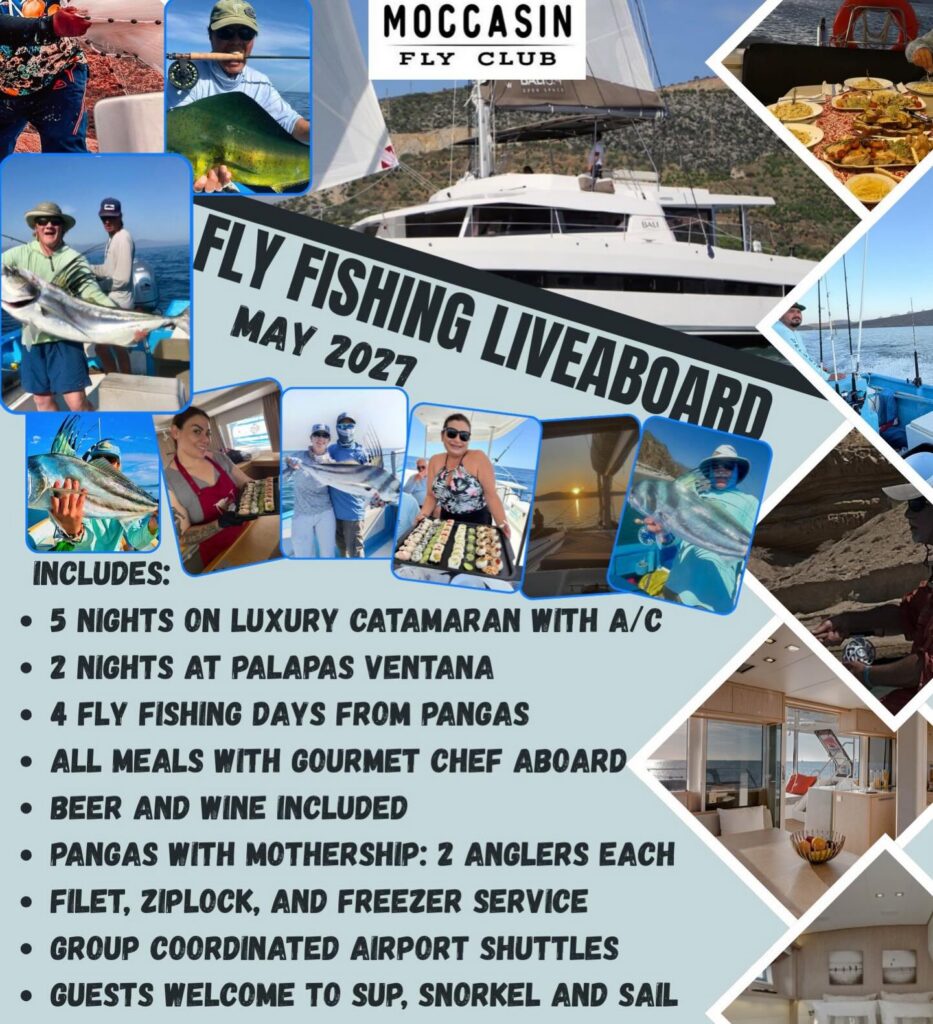
This Baja liveaboard trip is one of the most unique trips Moccasin has put together. You’re fishing out of pangas during the day, while a large catamaran moves you through the Gulf of California.
The goal is simple: find big roosterfish and stay on them.
The biggest advantage of the liveaboard is mobility. Instead of running long distances every day, you’re already positioned near productive water.
Roosterfish tend to hang around structure and chaotic water, especially near island chains.
This setup keeps you in the game instead of burning time on logistics.
This is where most DIY trips fall apart. It might look cheaper upfront, but once you factor in transportation, time, and effort, things add up quickly.
Or you could wake up already on the fish. The takeaway is simple: location matters more than saving a few bucks.
Catching roosterfish from the beach is possible, but it’s not easy. It’s physically demanding and requires serious coordination.
You’re often sprinting down the beach and casting immediately.
Boat fishing is simply more efficient for most anglers.
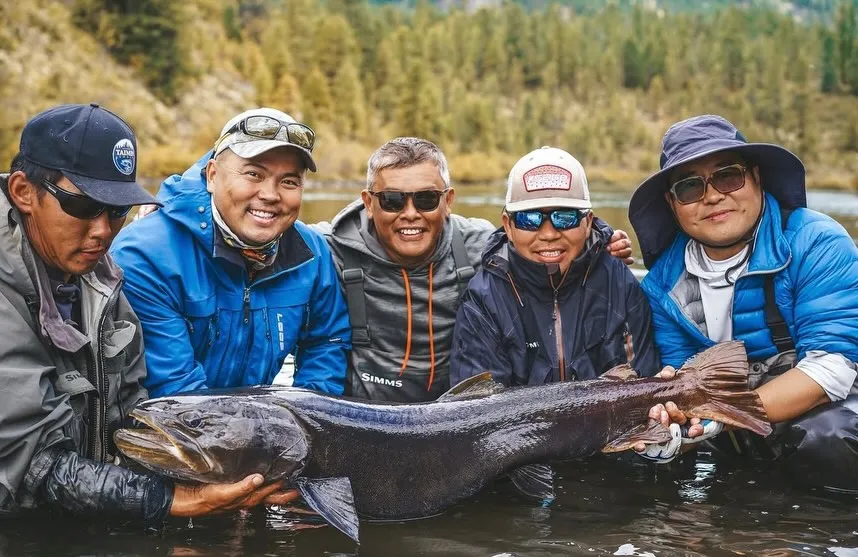
This is one of the most unique freshwater trips out there. Northern Mongolia offers access to massive taimen, along with lenok and grayling.
It’s remote, but still comfortable.
One of the biggest pain points before a trip is getting the right gear. John and his team solved this with a “virtual fly shop” through Los Pinos Fly Shop. It gives anglers access to exactly what they need before a trip.
This is a huge upgrade for trip prep.
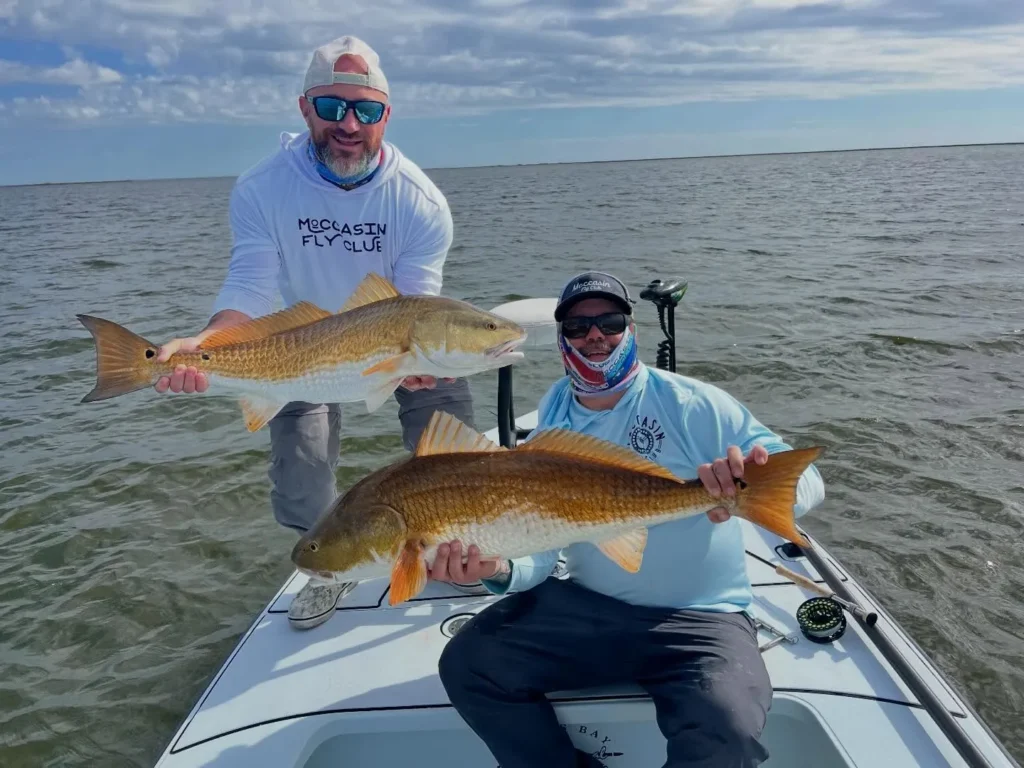
The New Orleans redfish program continues to grow, with more dates and consistent success targeting bull reds. Best time window runs late fall through winter.
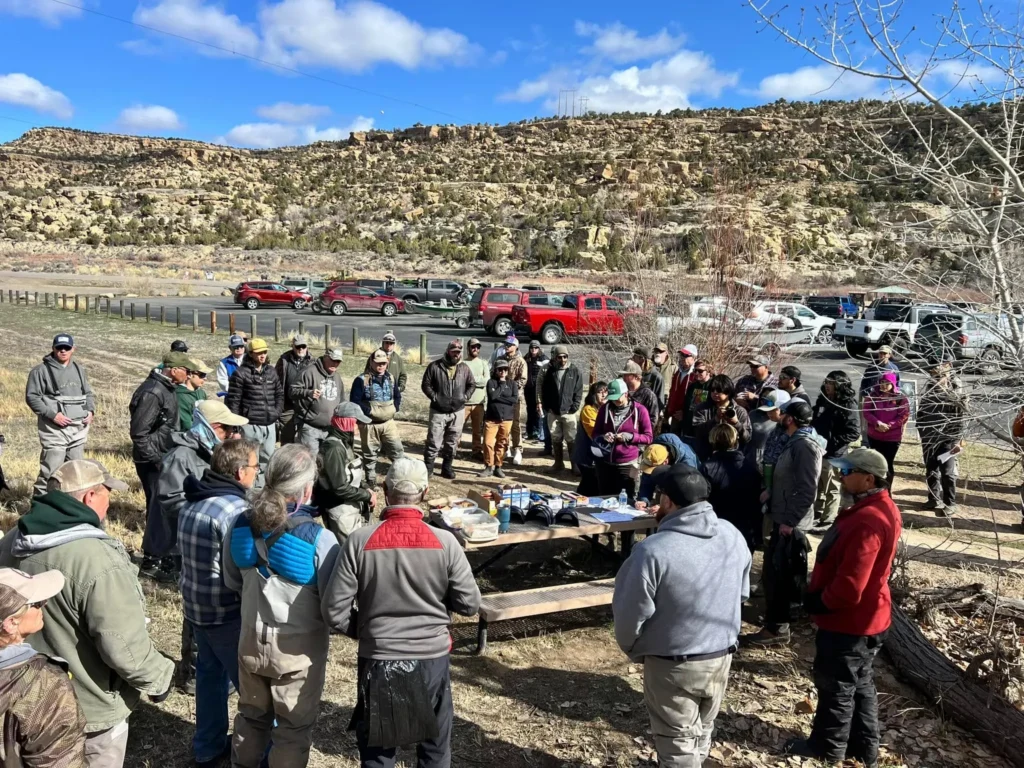
John and his team host an annual cleanup on the San Juan River, and it’s making a real impact. What started small has grown into a major effort.
It’s a great reminder that small efforts add up.
John shared some practical travel tips that can make or break a trip.
Small details can make a huge difference on a long trip.
Episode Transcript
WFS 920b Transcript
00:00:00 Dave: Most fish and chips sound pretty good when you first hear about them. Big fish, new water, cool destination. But when you start digging in, that’s when the real questions show up. How are you actually fishing? Are you set up to succeed or just hoping it works out? Today we’ve got John Hunt from Moccasin Fly Club back on podcast, and we’re getting into what’s actually happening with some of these trips, including this awesome trip to Baja where we’re going to talk about from there liveaboard setups to chasing big rooster fish, to what most people don’t think about until it’s too late. This one gives you a clear picture of what these trips really look like. This is the Wet Fly Swing podcast, where I show you the best places to travel to for fly fishing, how to find the best resources and tools to prepare for that big trip, and what you can do to give back to the fish species we all love. Today, John’s going to take us into this unique fishery and what Roosterfish is like and how they are unique. We’re going to find out what Di trips miss when it comes to logistics and how this might impact your trip, and what you can do to change that around. We’re going to find out why Baja keeps coming up right now and how accessible it is to folks, especially on the western side of the US. We’re also going to find out about how they’re solving the problem with gear using this virtual fly shop setup. This is interesting. We’re going to get into this and a few other amazing trips. Roosterfish if it’s been on your list for a while, can’t wait to share it today. John Hunt here he is. You can find him at moccasinflyclub.com How’s it going John?
00:01:26 John: Good man. I appreciate you guys having me back on and excited to talk more fish, man. It’s always fun.
00:01:31 Dave: Yeah, yeah. This is going to be a great one. I think it’s kind of cool now because we actually met, you know, finally in person at some of the shows this year. It was cool to connect with you. I think I saw you at Denver and up there in Washington. How did that how did the show season go for you overall? I think those are always fun for us. What did you do? You have a good time out there?
00:01:49 John: Yeah. I mean, the, uh, the shows are good. You know. Edison.
00:01:53 Dave: Oh, yeah. You were you were on the East, too. You hit the East too?
00:01:55 John: Yeah. That was crazy. Uh, the snowstorm in Edison kind of made that one not live up to the hype of last year. But I think because of that snowstorm and, uh, not having a big show in the South, that Denver show that I saw you at, which, by the way, guys. Yeah, Dave is real. I saw him in person. He does.
00:02:14 Dave: I’m not a robot. I’m not a robot. Right. Yeah.
00:02:17 John: He exists. I shook his hand. I touched him and made sure he’s not a hologram. Uh, yeah. So the Denver show was crazy, man, that was, uh, super packed. We took a different approach and was in the lobby and wanted to kind of just, like, watch, watch the flow through and not be in the craziness of the sales floor as much, which I think really helped us out just to like have some more comfort and conversations and just talking about stuff, which was, was awesome. So, you know, Denver went good. And then I saw you in Seattle. Seattle is definitely a very different type of demographic for all you Steelheaders and Pacific Northwest guys and girls. Um, it was cool to see all of you and talk about different options. And I mean, ah, that’s just the fly fishing show that’s going on. But we have a bunch of other stuff like the the Colorado Trout Unlimited Trout Day that’s at Coors Field will be at that one. Uh, the Wyoming Range Hunting and Fishing Expo in Big Piney in June will be at that one. Uh, and there’s another one that I am forgetting off the top of my head, but we’ll be at that one also. Yeah. So I mean, we, a lot of it is that, you know, the fly fishing show is kind of really consolidated in the beginning of the year. And we do two or three of those. And then we also have a lot that’s here in Denver, uh, and kind of throughout the Rocky Mountains, which is really cool. I know next year you’ll be able to catch us at the, uh, there’s a Virginia one that we’re going to be. Oh yeah.
00:03:36 Dave: Virginia wine, the festival, the wine and fishing.
00:03:39 John: Yeah. So we’re going to do we’re gonna do that one. Uh, I don’t know if we’re going to go back to Dallas Safari Club or if we’re just going to do Texas Trophy Hunters, but we’ll be at a couple, uh, hunting ones as well in twenty twenty seven. So, I mean, you can catch us wherever, however. and we always got deals we’re trying to do at those shows. So that’s always a good way to kind of not only can you save already, but you can save some extra on those ones too.
00:04:01 Dave: That’s awesome. And I think today we’re going to do a little kind of check in on your operations because you have a couple of big ones coming, some new stuff I know, and but one of them, one of them we talked about was Baja. You know, I think we talked about that. I want to hear about this Liveaboard because I think that’s really interesting. I know I hear a lot of people that want to hit Baja, you know, roosters and all that stuff. But yeah, but yeah, what do you think right now? What’s the one that’s really, you know, you fired up or I guess you’ve got a bunch going. But if we had to narrow it down, what are your new ones? Give us a little new one. Update on some of the new operators.
00:04:31 John: We have a ton of options, as always, which is an easy one to kind of just, you know, throw out there from the, the corporate jargon. For me personally, I think the one in twenty twenty six that I’m super excited about is Mongolia one. It’s a new destination. The timing have always just been something even like from being a kid that I’ve thought of really cool. You know, there’s a lot of people that talk about big fish. And then there’s also the whole part of like big trout and big salmon. Uh, and the timing is just something that’s like on there now. The Lennox eating mice off the surface also has always been super cool. Graylings are are cool also, but we do have some grayling spots here in Colorado and also other places. So like that’s another part of that trip. Not necessarily that I’m like real fired up about, but the timing in the Lennox and Mongolia and just the travel there, that’s a personal one for me that I’m really stoked to go on with the clients. I mean, you know, next month in April, we, we have groups that are going down to the Patagonia for the the lake run brown trout. And we’ve been seeing a bunch of pictures this week coming from, uh, the guides down there. And I mean, it’s just, you know, huge. Yeah. Eight ten. Yeah. Just big, huge, you know, colored up browns right now that haven’t really chromed out and haven’t been in the rivers for the migration for too long. I mean, that one’s super exciting. But I think for me, and this isn’t speaking from like the, the corporate or business side, I love trout fishing and it’s really fun to do. But when you can go catch another type of fish that isn’t necessarily home waters and isn’t salt, but like that Mongolian taimen is just like, it’s an experience for sure. And I mean, we have, we have the double haul that’s going to be going off in September down in, in, in Mexico, which is going to be great. Um, and you already kind of brought it up like that. The Baja Liveaboard for next May is crazy. I mean, we’re on like a huge catamaran with, you know, towing pangas behind it, going through the Gulf of California. Oh, man. You know, weaving, weaving in and out of all the islands and the the target species is like trophy rooster. So big rooster, big Dorado. And that’s May of twenty twenty seven. But I mean, it’s, it’s end of March, early April right now. So I mean in Baja you have the yellowfin tuna run that’s happened. You’re going to be moving more into roosters and Dorados and cobras and all the other stuff. So I mean, like right now while we’re talking, the end of March is, you know, a hot topic to be in Baja. And also, you know, outside of all of the, the world topics that are happening about Mexico and other countries and etc.. So, you know, Cabo Baja, La Paz, El Sargento, all of that still seems to be, you know, safe with what’s going on and you can travel there. I will say that what we talk about for Cancun and Xcalak and that side of the country is a lot of like the East Coast and the Midwest stuff. And then we also talk about Baja a lot, which is kind of like that New Mexico, Arizona, Four Corners, all the way up to Montana and over to the West Coast because it’s just easier travel. Like, you know, we can fly from Denver to Cabo Direct. And I want to say it’s the same amount of time as it takes us to fly from Denver to Orlando, Florida. I think it’s a four hour flight. So we deal with a lot of like that, you know. Uh, Washington, Seattle, Idaho, Oregon, Cali, a lot of those places have already had a lot of experience going down to Cabo and flying in and out of there and being in, uh, you know, Baja Norte and Baja Sur in the north and the south and all the different stuff. That’s always a hot topic on that side. And we have availability. So, I mean, if you wanted to go in May of twenty twenty six, you know, we have those dates available are hosted kind of special one is that Liveaboard in May of twenty twenty seven?
00:08:20 Dave: Is that where you’re going to be there? Is that are you going to be on that.
00:08:23 John: Will be yeah. So this is our first one. And and we now have, I think six different hosts that are doing stuff. But usually any first excursion somewhere, I try to either be there before the clients go there to make sure the food is what they say. And the travel is this one. Uh, I already know the guys that are, are down there in in Ventana and like we have a good relationship. I know what’s going on with their operation. And so I am on this first one where we flying to Cabo. You get shuttled over to Ventana, we have a night that’s in the cabanas and hanging out. Then the next morning we wake up early, we get on the catamaran and we start heading north up the Gulf of America. And every day while we’re fishing, they move the boat. And then at night, while we’re hanging out, you can also stand up paddleboard, you can do scuba, you can kayak. Like there’s a bunch of non-fishing activities that are available off the liveaboard because there’s just so much to do and see. But during the day, we’ll be on Pangas two people do a boat fishing, hitting these roosters, Dorado, Cubera, and anything else that can come up. I don’t think you’ll see any leftover tuna or or big, big fish on that aspect. Now we’re talking about the trip for May of next year. We also the same outfitters and the same outfit that we work with. They have an actual lodge on Magdalena Bay Island, so you’re not on the mainland and driving out to the island every day, you’re staying on the island, and that’s an unbelievable space if you’re trying to get into Sailfish and you know, Oceanside aspects. So our guys down there have two operations one in the bay, one on the the ocean side, and either one of them are awesome. There’s definitely a very big difference in cost, you know, one thousand fifteen hundred dollars difference between what you want to do. But I mean, that, uh, that liveaboard is just what we know people enjoy. It’s all inclusive. Everything you can eat, drink, everything that you can cast at the guides, the boats, the shuttles, and those pricings for that. I mean, when we talk about, you know, Mongolia is all inclusive at five thousand, this Baja one in May is all inclusive at five thousand and five thousand. Does sound like a large amount of money. I’m not going to put put that number down. But when you talk about a week of fishing, all inclusive, everything together other than you’re flying your tips, Five thousand dollars isn’t too crazy. We like to kind of use a metric that’s like a thousand dollars a day or less. We do get into some trips that are more than a thousand dollars a day, but that’s a hard pill to swallow even for us here that, you know you would be. So when we have like three days of fishing down in New Orleans and it’s two thousand seven hundred that works on that metric. You got five days of fishing, everything included. You know, so when people are looking at all of those numbers, it’s crazy. So, you know, and some are more expensive than, than others, obviously Oman, Dubai and other things just, you know, cost more to get to and cost more to be at. But Baja is awesome if you’re looking for a getaway. And also if you have people that aren’t trying to fish all the time, like from La Paz or El Sargento or Cabo and different places, like you can have family or friends or partners or whatever that are there that aren’t trying to fish every day. And you can still get two or three days of fishing in while they have a bunch of other stuff to do. So it’s not necessarily like the only thing to do there is There’s fish, which is why Baja comes up in a lot of conversations.
00:11:43 Dave: So the trip for let’s just look out at the twenty seven. Do you know roughly the time that you’re going to be doing that?
00:11:48 John: Yeah. May fifteenth to the twenty second, twenty twenty seven is the Liveaboard. It’s on our website, on the calendar. It’s it’s in all of our email blasts. If you guys are on the email blast, you’ll see all that stuff too. But yeah, may fifteenth to the twenty second is the catamaran Liveaboard in Baja. Now you can start as early as March in Baja though, and get on the yellowfin tuna and the other stuff. There’s a little bit more wind in March and April. It starts to to time up right with Roosters, Dorado and everything else. Then, you know, middle of May when our dates are is kind of prime time to try to get at those big roosters that are all over. I mean, they’re on the bay side, they’re on the ocean side. But that’s a big focus for me.
00:12:29 Dave: And you’re chasing them. Is that what you’re doing with the catamaran? Are you kind of following where you think the roosters are they kind of everywhere? Why is the catamaran, other than. Obviously being on a catamaran would be amazing. The advantage of that is being able to get to these other areas.
00:12:42 John: Yeah. I mean, one, you’re not using as much gasoline with the catamaran. So there is a sail. You’re able to use that when you can. I would say the biggest part of it is like we’re trying to identify where we know there are roosters, but a lot of the roosters like to be structured, chaotic water and etc. so when you get a little bit of movement in the water and you’re around the whole string of islands in the Gulf of, of California, you tend to have more aspects where there is some crashing wave, where there is some stuff moving. And that’s where a lot of those roosters will come up out of the deep to try to get on, get on bait and get on food. So that’s a big advantage is that we kind of can circumnavigate through these islands and not worry about as much. We can also, you know, give everybody on board a very nice atmosphere. And it’s not just, you know, chugging gas all day as much as you would have to, to move a bigger liveaboard around. But to your question, one hundred percent. We’re trying to find and locate, you know, big roosters twenty five pound plus thirty plus like just big, huge, gigantic roosters that you’re hitting with, you know, ten weight or eleven weight, big fish, big rods, you know, big smiles.
00:13:50 Dave: Right, right. And what is the catamaran? How many people would be, uh, could be on one of these. I’m just trying to get a picture in my head how big this this boat is.
00:13:58 John: So we have a total of eight, eight beds that people can be on. It’s got a full dining area plus kitchen. Plus there’s a big aft on the back that you can kind of hang out on, etc. so I mean, it’s a, it’s a big liveaboard. Let me see. I believe I can say that I have direct actual numbers on this thing.
00:14:19 Dave: Nice. Yeah. I’m looking at a few photos of some of them and they look amazing. Yeah. They got a giant sail. I mean, essentially that’s the crazy thing. It’s a sailboat, right?
00:14:26 John: But yeah, it’s a real, real big. And I mean, the, the main part of the, the bottom of the boat, there’s obviously, you know, two big bays and then the middle of it would be the water. There’s a big net on the back. Um, but yeah, I mean, it’s a luxury catamaran. I’m going to say that it’s, you know, over ninety feet and under one hundred and twenty feet in length, a sea and every cabin, the whole deal. So I mean, it’s, it’s a very fun experience for people that like that. Now we do have some clients that don’t like being on boats and don’t like sleeping on boats. And we have a whole lodge in cabanas and everything with AC that works on land for the Gulf of Mexico, which is out of, uh, El Sargento area. And then we have another one. That’s the one on Magdalena Bay Island. So when you get into mag Bay, a lot of people are kind of land based, and you have to drive in the morning and get out there where, you know, our option is, is you get there and you get, you know, shuttled by a boat over to the island and you’re staying at your lodge on the fishing grounds, right? When you wake up.
00:15:25 Dave: Yeah, you’re there. That’s what’s cool is that you’re, you’re out there, you’re already there. You don’t have to go too far. Yeah.
00:15:31 John: And I mean, that’s a lot of the things with the DIY stuff. Like we help people kind of structure what they want to do, whether they want guides or they don’t want guides and this and that. And I think there’s a lot of listeners out there that want to be able to go do some of this stuff. And there’s just ways that, you know, you could book a place that’s cheaper, but you got to drive to get to the beach. And then once you get to the beach, you got to get on a boat, and then you got to drive another forty five minutes on a boat to get to where you want to fish.
00:15:54 Dave: Logistics.
00:15:55 John: Yeah. The logistics are a big part of, you know, I think where we come in handy, but also where it’s like, look, you know, this, this, and this is kind of what you want to make sure you have for the best experience. And then you can save money on these couple other aspects, you know, as you try to get to the cheapest spot to stay. Plus you got to have a car to drive to the beach. Then you got to get on the beach and drive on the boat. You know, at a certain point, it’s, it’s kind of it all balances out that you want to just be directly where you want to be. And I mean, Baja. Baja is a is a hot topic one, I think because of all the social media people are seeing from back Bay and Sailfish and Roosters and all the other stuff. Also, it’s still a place that, like, you know, Cabo La Paz, El Sargento in certain places, like a lot of those places aren’t necessarily super Americanized, but they’re easier to get to by plane. They also have some things that make people feel a little bit more comfortable. And those I mean, it’s all a great part of the experience to be able to get there quickly, start fishing and also catch unbelievable fish too.
00:16:56 Dave: Yeah. Some big. And that is the thing with the the roosters because a lot of times you hear, you know, people maybe DIY ING it, going off the beach, stuff like that. Right? Is this going to be a mix of on the beach or is it going to be fishing mostly out of the boats?
00:17:08 John: So the liveaboard in May is is going to be on the boats for sure. Our lodge aspect that’s on the Gulf of California side, that one, you do fish during the day from boats, and then you can have the afternoon and the evening to fish from the beach if you want to. You know, I will say that it’s not beach fishing like you may see in. It’s not like you just cast something out there and you wait around. There’s a lot of, uh, I’m running and checking out shadows and and trying to cast that stuff that you think may or may not be it. So, I mean, the fishing from the beach isn’t completely out of the question for everybody, but it is somewhat physically demanding. Plus, it’s also, you know, hot as Hades when you’re down there running around trying to cast all your stuff around. So fishing from the beach isn’t something that I discourage, but it’s not going to be as effective as maybe being on a boat. Now, on the mag Bay side, you want to be on boats around bait balls and getting after it for sure. There are some people that are fishing from the beach. I’m not not taking away from that. I think that depending on how effective you want to be fishing and how effective you are as a caster, and what you can do as an angler is probably a big part of all of that. So for us, the catamaran one, you’ll be on pangas and fishing from boats, uh, from the, the land based one in, uh, El Sargento. You’re going to be able to do boats in the morning and then fish from the beach at night if you want to get more fishing in. Then when you get over on the bay side. I’m from the island. You can fish from the island if you really want to, but you’re going to be, you know, ninety five percent more effective fishing on the boats. If people do want to do the fishing from the beach aspect. My suggestion is always the same. You want to be with places that specialize with that, and they’re usually going to have like two or three spotters with you. You’re covering fifty to seventy five yards of beach. People are calling stuff out, telling you where you need to be. Now, that means that, you know, if you’re on one end and the spot on the other finds it, you’re sprinting seventy five yards with a rod in hand. When you get there, you got to start casting ASAP.
00:19:06 Dave: Yeah. And you’ve done some of that, that beach stuff.
00:19:08 John: I haven’t done the beach stuff, but a couple years ago I really wanted to try it. So I started like being the guy in my neighborhood running around with a fly rod. And I mean, I, I do work out a lot. I run a lot. I don’t think it’s bad, but I will tell you that, like, if you just try to do a thirty yard sprint at full speed and then cast it something not easy. It’s not as easy as you think it is. And it’s not. I mean, it’s a lot like hunting, you know, like the heavy breathing and the accelerated heart rate and you getting all amped up. But, I mean, you just got to be able to get there quickly to try to get the fish. It’s, it’s just like anything else. So I think, you know, it’s really cool. I give props and a lot of applause to people that catch big fish from there and are also doing it solo. Like there are guys that are, you know, sprinting around on the beach all day, putting flies on fish. And it’s not easy. And I assume as you do it more, it gets easier because of, you know, you get used to it and then you get in shape for it and whatever. But, um, it’s really cool. But that’s not I mean, I can make that happen for people if that’s what they want. But I think after this conversation, and much like my phone calls go, you know, about three or four minutes into that, they’re like, you know, it sounds like a boat is going to be a better. I’m like, yeah, you know, if you want to enjoy your day or if you enjoy that kind of day, we can make it that kind of day for you.
00:20:20 Dave: Yeah. And you could just say, and the roosters on the boat and these are big. Is that the idea being is that you’re finding some of these bigger fish.
00:20:26 John: I mean, yeah, we try to stick by the the overall mission, which is big fish at low cost. You know, that always is very objective. But yeah, I mean, my personal preference is that, you know, we’re going to be going after trophy roosters. Now everybody needs to get a rooster to check it off the list. We got no issue with that. But you know the the roosters and the big tugs and and big rods and all that stuff, I think is where you will find this liveaboard option, focusing on that. And you will also most likely find a lot of the boat options in the land options about that, you know, that time of year. And when you know the big, the big girls are in there, that’s kind of the point. But I mean, any rooster is a rooster too. So I’m not trying to downplay that.
00:21:08 Dave: Nice. Well, this this sounds amazing. I think that we’ll definitely follow up with more on this because I think the liveaboard. And is it going to be, I guess you’re on a boat. So some people I mean, is sea sickness something to be thinking about here, or are you guys going to be some pretty calm water?
00:21:22 John: I would say that the sea sickness is going to be more on the pangas. And when you’re actually fishing and maybe with some of the rolling waves, you know, chop and wind and everything is anywhere you want it to be. I think that, you know, Dramamine and certain things help a lot of people out. So that’s something to be aware of. If you spend a lot of time on boats, I don’t necessarily know, but there’s a lot of people that I should say. I have some friends that spend a lot of time on boats and still get seasick no matter where we go.
00:21:49 Dave: Yeah. I mean, that’s me. Yeah. That’s me. Yeah.
00:21:51 John: So I think, I mean, I think you want to be ahead of that game and just like anything else you’re going to bring, you know, pack the right medicine that you want to have, make sure you’re taking it and using it. I always tell everybody, it’s really hard to get Dramamine and certain things in you when you’re throwing up all the time. So, you know, take it in the morning with breakfast, get ready ahead of time, and hopefully that curbs some of it. But yeah, I mean, you know, I don’t I don’t think it’s going to be as crazy as like certain areas, but most of the time when you’re going to try to find big roosters, you’re going to get into areas where there are some breaks and some crashing waves and chaotic waters. And that’s part of the allure, is trying to get them out of that onto what you have. But you know, if the boat rocks a little bit, that’s kind of part of it.
00:22:37 Dave: Is this something and maybe it’s the catamaran or maybe another one in this area, but could you do something with a family? Let’s say you had a couple kids and the wife sort of thing. Could you.
00:22:45 John: Oh for sure. Yeah. I think, um, I mean, I think one you’re flying in and out of Cabo, so there’s already an aspect of like resorts and all inclusive and things that can happen where, you know, you could have the family stay in Cabo and you can do the hour ish drive or a shuttle just back and forth to go fish. Um, you could take everybody. I mean, our place that’s in, uh, Bahia Ventana has pools and a bar and a restaurant, and you can kind of just sit around and, you know, either go down and kick it on the beach or stay around the resort and have drinks and hang out at the pool. The kids can play in the pool while you’re fishing during the day, so I don’t rule it out. I wouldn’t put this under the classification of that. It’s like angler only type of, uh, journeys as much as like you, you can do a lot of things and, and we work on that a ton just having like non angler activities or if you’re going to go out fishing for the day and you want the kids and the family to go do something else or go on a hike or go check out whatever, it’s going to be anywhere in the world. I mean, that’s a big part of us is that I hate to say it, but the satisfaction of an angler is kind of like checking a box. If they catch the fish, then we get to say that, you know, they accomplished something. Everybody else that’s on the trip is definitely a different bag of like, do they want to go, you know, some place and watch them make chocolate or do they want are they foodies and they want to go on some sort of food tour? Or do they want to go down and just do shopping at the local tiendas or, or whatever? But that’s a big part of it. And all of that is, is definitely available in, in Baja for sure.
00:24:16 Dave: Cool. So that’s a little on Baja and we’ll be following up on that as we go, because I think that I think it would be cool to put this this one together. But you also mentioned off air, you mentioned a, uh, a virtual fly shop in New Mexico. This is I always kind of go back to your home waters. You’re up there in Colorado, New Mexico, but talk about this virtual fly shop because I think we’ve heard about Los Pinos before, but talk about what you have going.
00:24:36 John: Yeah. So Los, uh, and I mean, granted from where from where I’m at outside of Boulder to Los Pinos is like eight or nine hours. But, uh, Tom, Tom and his family own Los Pinos, and they’re great people. And we work a lot together on a bunch of different aspects. But over the past four or five months, moccasin has been trying to figure out how to get our clients availability to products in general. Um, so, you know, we, we are a Sims dealer. We have our hosts and stuff set up with Grondin’s. We have a bunch of different things like red truck, fly fishing rods and etcetera. Um, and every trip that we do, there’s a gear list that goes out every week. We have numerous people that hit us up and ask us about flies in a certain place or how to do this. And so before the trade show season started, Tom and I just started having conversations and it was like, you know, my son doesn’t want to go out and buy a fly shop. We’re not necessarily trying to get involved with like pure retail and inventory and POS and plus where we are outside of Boulder, Colorado. I mean, there’s seven unbelievable fly shops very close to us. And instead of approaching them. I have no issues with any of them. We just like to keep it in the Moxam family. So every year in March, we do a big river cleanup down at the San Juan in New Mexico. We sponsor it about James from About Trout as a sponsor. And Tom from Los Pinos Fly Shop is a sponsor. And Tom does unbelievable with getting the word out. He stays at Rod and Rifle when he needs to, so we have a good relationship. So we just started talking about the fact that like, you know, on our trips, we have people that need certain things, like if you’re going to go down and try to catch a rooster on.
00:26:11 Dave: Yeah, you need a rod, right? You probably need a new rod and reel and stuff.
00:26:14 John: Yeah. So you may you may be going on a trip and you may need a new rod. A lot of the times people need a new line. Sometimes people just need little stuff. Like if you’re running out of three or four or five x tippet and you need to get that, or you need some new indicators, or you want to know what flies are going to work for here. Uh, we kind of teamed up. So like what we say at moccasin is now this virtual fly shop. What it really means is that we just have our clients have access to anything and everything that Tom has in Los Pinos fly shop, and they use a code from us. They get a discount and they get free shipping on that order. And what that does for us is it allows our clients that if they’re going to go on a trip and need something, they can purchase it at a discount and it arrives at their house, which is a big part for us is that there’s a lot of last minute stuff like, uh, in a couple of weeks, we’re taking our first group down to Patagonia. Well, you know, there’s, there’s a floating line, a sinking line, and a sink tip line, and there’s different type of flies that you need. And you could be using a six weight, but it’s probably better if you use a seven or eight. And then on top of all of that, you know, you may have leaky waders. And for this trip, you want to make sure that you got new waders, or you may have busted a sole on your boot and you need a new thing of boots. I mean, everything outside of like your passport, we can now help you out with. So like, you need new luggage. We have stuff like that, you know, uh, you know, Sims, fish pond, Umpqua, whatever. If you wanted waders and soft goods, we have all those things available now. And what we what Los Pinos and Tom is doing is they’re stocking some stuff that they know are on our gear list. So like, maybe they didn’t always have nine, ten, eleven, and twelve in for rods and reels. But now they know that some of our clients are going to need some of that. So they’re doing it. We also, they have access to all of our gear list. They know all of the flies that we need for all of our destination. We have an in-house fly tire that does certain custom boxes for people. But even if you’re not going on a vacation trip and you’re just heading out, you know, say you’re leaving Saint Louis, Missouri, and you’re going out to Montana and you want to bring a couple flies of your own. You can buy them from those peanuts. They’ll end up in Saint Louis with them. And you can, you know, fly with them and take them to Montana or say you’re in California, you’re going down to Baja, and you want to have a couple of things that you want to be able to use. Well, you can buy them from Los Pinos and take them with you. So the big thing for us was just allowing availability for our clients, our listeners, our whoever to check out and know what, what they need to have. We’ll get it. And Tom and his family are unbelievable in that you can call him almost any day of the week. One of them are there on site. They’re the one you’re talking to. They’re the one that’s packing your order. They know what’s up. They fish, they use the gear, they do everything. And some of those things I think people take for granted as opposed to like, if you’re going to get the right information, the wrong information, or call them up and be like, hey, you know, I got the moccasin gear list for Mongolia and I need an eight weight. And what do you think? Oh, you know, we got this one in stock and it’s a little bit cheaper, but if you wanted a nicer one, you could do this one. Those type of things really help us out. So. Los Pinos Fly shop dot com is the website. Anything that you order when you go to checkout, you can just put in moccasin all lowercase. It gets you ten percent off and free shipping on anything that you buy, whether it’s on sale or not on sale. Uh, it all kinds of comes together for us that now we have a good connection. And for me with moccasin, I don’t have to deal with the fly shop. We don’t have to deal with any of that. We do sell sims. We do sell other products. Like we we have certain things that we’re able to use as a dealer that helps out a lot. And our hosts use a ton of those products and our clients love those products. But now, I mean, just a short list, but like Hardy sage, Winston, sage, uh, Scott Reddington, uh, hatch, Galvin, Lampson, Ross, Rio s a Airflo, trout, Hunter Sims, Bahia Smith. I mean, like that whole list now of us working with Los Pinos allows everybody to get anything they need to. And I’m going to be honest, since you know what, Fly swing World is listening. I’m not concerned if you come on a trip with us, if you if you use the code, it’s cool. It helps people out it, you know, accessibility, whatever. Some of our clients maybe have not gone on a hosted trip with us, but they book nights at our lodges or they’ve asked us questions to go someplace for us. It doesn’t matter.
00:30:31 Dave: And there’s some local stuff too, right? You have the the cool thing is we’re talking about all these further out salt and remote. But you guys also have the New Mexico, Colorado and some of the local stuff where people could get trout gear. Right. Flies from the same place.
00:30:43 John: Yeah. I mean, and if you’re already buying flies online because that’s what you prefer, as opposed to going into your local fly shop, which I think you should support all your local fly shops. But now, you know, we have this virtual kind of local, anywhere, anytime fly shop for people to use that is very big and understands all of the travel like Albuquerque, New Mexico has some fishing available. Very close. I think a lot of the people there probably go to the San Juan and fish up there, but there’s a lot of people traveling to go fish elsewhere too.
00:31:11 Dave: Oh yeah. Yeah. There’s tons. All, all the way. I mean, the whole country. That’s the great thing, right? I mean, people could leave. New Mexico is in a great place. You can go east or west and get some amazing.
00:31:19 John: You can get you can get what you need and get a discount. And I granted, I know it’s not, you know, half off and all this other stuff, but, you know, spending two hundred dollars and saving twenty bucks and getting free shipping goes a long way when you got to do it whenever you need to do it.
00:31:32 Dave: Yeah. That’s sweet. Okay. And I want to note too, you mentioned Patagonia. We did an episode with, uh, with Nico and uh, that was a good one. Eight seventy two so if anyone wants to listen to the Patagonia, we went deep on that very deep.
00:31:43 John: And he is, uh, he’s in the throes of the, the season right now. And you should definitely check it out. I mean, they’re netting monsters right now. I would say like, almost every day I get a picture of a new gigantic thirty plus inch brown that’s come out of some place that’s in the Rio Lima. And it’s wild right now. And I mean, that’s why we’re down there in April to try to get after those big, gigantic lake run trout.
00:32:09 Dave: Yeah. Awesome. Well, we’ll have a link to the show notes on that one because that was a great one. And, and you mentioned also, um, you know, so you got Mongolia coming. Maybe talk about that a little bit. I think that’s another big one that now when is the Mongolia, when is that trip going to be?
00:32:23 John: So Mongolia is August sixth to the seventeenth. So it is it’s an eleven day trip, which is pretty wild. And I can always get into those. So we have four spots left on that trip. It is five thousand dollars a person, but that is also a significant discount from the normal pricing that that happens. So from Denver, depending on where you’re at, if you’re on the east coast of the country, you may be going through Turkey. If you’re on the west side of the country like us, you’re probably going to be going through Japan. So we fly from Denver to Tokyo to Ulaanbaatar. Then we, uh, have an hour flight from Ulaanbaatar to the north to like the closest airstrip that we can get to. And then there’s a like a, I think it’s a five or six hour drive that we continue north to get up to camp and we’ll be fishing, you know, remote waters in northern Mongolia for Timon and Lenin and Grayling. We are in a lodge based facility that has Wi-Fi and has electricity and has a full kitchen. And then from that, each day we have jet boats that are able to kind of relocate up into different zones to get after the fish and wherever the time in are is kind of what we’re focusing on and getting them at. So it is, you know, gin clear water with site fishing aspects and putting cast on big taimen to try to catch big fish. And I mean, for me, it’s just the fact that it’s in a place I’ve always wanted to go. I still have Tibet in certain places, like on my list, but Mongolia and rustic Mongolia and all of this stuff. And the even like I, I told them, you know, the drive just to get there and being able to see things and, and check out the food culture and, and understand how other people in our world live is, is really cool to me. So I like that aspect. But yeah, August sixth to the seventeenth of twenty twenty six. So it is coming up. That’s sweet. Uh, and we, we do have the discounted rate for people, the five thousand dollars an angle to get them on it. I think the, the flights are like thirteen hundred to fifteen hundred, depending on when and how fast you can book it. And I will say that the catching big timing is, you know, the target, but there I mean.
00:34:30 Dave: There’s other species.
00:34:32 John: Yeah. I’ve been told that you’ll get annoyed and you won’t want to catch any more lenik on mice on top water.
00:34:38 Dave: Oh, really? Lennox. And what are. Lennox. That’s the one thing I’m not. Lennox is.
00:34:41 John: So. Lennox is kind of like a soft lipped trout looking type of fish, but they come up and eat on top water all the time. So I mean, you’re skating mice whenever you want to and catching Lennox. Uh, some big, some small. Then there’s grayling. Some of the grayling get pretty large. So I mean, there’s a, there’s a bunch. Those three species are kind of the main one or what I think the Mongolian slam is kind of talking about is time in Lentic Grayling. But to me, like, if it is a slow day and you’re not able to spot some some time in, then you know, I can skate mice all day and catch lentic on it. That sounds pretty cool. Even if I do get annoyed or used to it, or I don’t want to catch anymore. That still sounds awesome to me. In the middle of nowhere in the mountains in Northern Mongolia. So the food’s unbelievable. Uh, some local food, some non-local food, the jet boat aspect, and then having a place that you can sleep with electricity and Wi-Fi if you need it. All of that stuff is kind of like the added benefit of why this trip is a little different than some of the other ones that are camp based.
00:35:40 Dave: Yeah. You’re not, you’re not in a, a canvas tent or something. This is like actual lodge facility.
00:35:45 John: Now, I’m pretty sure which I’m going to try to do if I can, but I’m pretty sure there’s an option that like, if one night you want to be somewhere else in a canvas tent or sleep out, that is an availability that can happen. Like you can jet boat out into a different area, stay for a night there, and then come back, which is awesome.
00:36:01 Dave: Yeah. Okay. So that’s what’s cool about it. Yeah. You’re basically, I mean, we’ve been, you know, flying around checking out other salmonid species and you hear some that are hard to find. You know, we got into some Chinook, you know, this last year, which was cool swinging for Chinook. But I mean, Taimen and Lenik are both salmonid. They’re both in their species that, you know, that’s a bucket list because you can only find these in a couple, right? Maybe this is the only place in the world, right.
00:36:23 John: And I. Well, I think the taimen. Well the I think it’s hucho. Hucho is a different one.
00:36:29 Dave: Yeah. Oh it is different. Okay.
00:36:31 John: Yeah. So I think, I mean, I think that’s in same family, I mean, obviously salmonoid as well, but on, on big taimen like sixty centimeter plus, you know, I would call trophy taimen big Taimen however you want to call it. Mongolia is definitely a big part of it. I think some of the other spots, you know, maybe not as easy to, to have accessibility, whether traveling or visas and what countries they’re are in. Um, but yeah, the taming and the being salmonoid family aspects and big taming specifically. Um, and we have it up on our website or you can contact us, it’s on our Instagram and a bunch of other things. But if people have questions or want to understand more about that trip or just want to talk about taming, you know, we’re, we’re always here for that for sure. But that’s the, uh, that’s the big one. I would say for this year that’s different than some of the other ones. Like we, we have our normal, uh, New Orleans project and, and a program that, that one’s booking up and doing great. We have our Mexico with the double haul permit and tarpon tournament, which is, is already booked and filled and, and going to be unbelievable this year. We’re working on next year, uh, next year we’re taking the double haul kind of on like a kind of like a tour. So next year, the double haul is going to have accessibility that you can try to catch all four species of permit. So we’ll have Mexico, uh, Australia, Oman, and that should have the availability that people can try to get them all if they really want to in one year, which is crazy. But we now have a a gentleman on on our staff. Now that’s in charge of the double haul and what we call the permit program. So we’ll have that. We have a DIY permit in Belize next May. Then we have, uh, Mexico again, Australia. And then we’ll also have, uh, a Dubai slash Oman, uh, trip that’s happening too. So those are all like the permit program is growing very fast because of the people that want to try to get into that and travel new destinations. But twenty twenty six is pretty much packed. And then we’re already looking into the twenty twenty seven is crazy. We do our our New Orleans stuff. Then we do Patagonia in April. Uh, the Belize one is in April and North Ambergris, which is the d I y trip where you’re literally, you can walk or paddleboard or kayak almost like ten miles of flats and get at, you know, triggers, bones, tarpon, permit and snook. Then we get into Baja, then we have Brazil and Oman are both on. I mean, it’s it’s kind of.
00:38:56 Dave: Yeah, you got a lot going. Sounds like you got a team there. But how do you keep track of it all? Is this something you’ve, uh.
00:39:02 John: The big the big one is like just making sure the calendar on the website is correct. But also now we have, uh, five or six hosts that are working in different aspects. So we have some guys that are, you know, really focusing on, on trout and domestic travel. We have, uh, Jeff is the guy who’s overseeing the permit aspect and where that’s going with the Brazil program in and of itself is, is huge now. So, you know, we’re offering trips, if you guys are guides or outfitters and want to be able to take a group to Brazil, we, we have a boat that’s in operation down there now that’s doing that part. And I mean, it’s really just the, the expansion of the brand is, is getting into more stuff and having more things available. So now that we have the hosts out there doing more, I do have a family and kids and, and need to be somewhat around the house. So I’m not traveling as much as I used to in twenty twenty seven and that’s okay. I get to pick and choose a little bit more. But I mean, our team is out there making it happen. Checking out new destinations, taking people to current destinations. I want to say in the past two months, I think we’ve added almost ten new places that you can go, whether it’s in a country we already work with or it’s a brand new country. Like even this morning before this, when we started filming, we were working on, uh, one of the new places in Canada that we just got in, which is like a heli in, heli out, uh, gigantic brookie operation. That is super cool. But yeah, I mean, it’s, it’s a lot to oversee, but it’s also super fun because I feel like now the moccasin team has questions. I don’t want to say I’m a Wikipedia page of fishing, but I get texts and calls and I have conversations daily that are like, all right, it’s this time of year. This is our budget. Where are we trying to go? And it’s like, well, there’s, you know, probably three or four options like that, or I really want this. When do I need to go there? Well, that would be this time of year. And this is probably what you want to see, but you know, it gets booked out a year in advance. So we need to figure this out. And there’s other people that call us up and are like, I just want to take my family to the Rocky Mountains this summer and have a day of fishing. It’s like, awesome. Well, we can, you know, get that. There’s all kinds of different things that are happening now, uh, in the moccasin universe that is very cool to see the growth, but also very cool to see other people getting added, you know, like people that really want to try to fish for this stuff or hosts that really want to try to find this aspect or our clients that are like, all right, you know, we’ve done the New Orleans trip and that one’s awesome. We went down to Brazil and that was cool. Like, what else would be like that where we know we’re going to catch fish and it’s going to be a fun time. And it’s, you know, it’s, it’s working through all the different hoops that that one adventure needs to be able to satisfy. And that that’s where it gets really fun and cool.
00:41:38 Dave: Yeah. That’s it. And we talked about the New Orleans. I think that’s something that, uh, we’re talking a little bit about. And I think we had, we talked a little bit about, we’ll put a link to that episode as well where we talked about that redfish. But now when is that? Remind us again on that. There’s a few different times to go there. What’s what’s a good time for those?
00:41:53 John: So we we start in November and we run through February. Now technically we can go as early as like October. I don’t really like early October because it’s just not as productive. I think end of October is, is probably when I would say like, we put the starting line and I mean all the way up till the end of February, even into like March this year. Uh, we had clients not going on our trips, but going on their own dates and securing some really big bulls. And I do got to give a shout out to the guys down there. Um, they’re, they’re working hard and they’re out there almost like ninety days straight working that season for us, though, I would say that if listeners want to try to figure something out, our November dates are always extremely productive and somewhat still available. Our December dates are already filled. Most of our clients that come in December, just at the end of that trip, they’re like, put me on next year’s December dates. Uh, we do have some stuff available in January, and then one of our two February trips is already filled also. And I think, I think you we talked about maybe, you know, there’s going to be some wet fly swing dates or something specific, but my thought was, you know, if and when you want to talk, we have no issues putting you on your own dates. We have lodging, we have guides. It’s just what’s available.
00:43:08 Dave: Yeah. And it’s a pretty reasonable trip to on this one too, right?
00:43:11 John: Yeah. I mean, our, I mean, if you’re going to do it on your own, it’s going to be a different price because you’re not splitting boats and lodging. But for us, you’re going to get three days of fishing, three nights of lodging and opening shrimp, boil a gift bag and all your ground transportation is two thousand seven hundred now, just for you to fish for three days without lodging, rental car, or anything else. You’re already at two thousand seven hundred for a solo angler. So that’s where we kind of save it. But, um, I mean, over the past four years, we’ve gone from having nine dates to now, I think we have close to like Twenty seven or thirty dates. So, I mean, we, we do take up a large bit of the calendar for our people down there because we’re able to put people into that. And you’re talking, I mean, you know, we would say a, a bull is going to be a twenty pound plus fish. And, you know, thankfully, so far we’ve been able to put some twenty pound plus fish in the boat for the majority of our trips. And it all depends really on the weather, but we know that November, December and January are very stable. The fish are coming in and it’s also just it’s a great domestic experience. You’re eating, you know, Cajun and you got the New Orleans culture. Yeah. And it’s, it’s really cool that we’re able to stay close fish right there, get out in the Gulf. And I mean, some of the days are crazy. Like I the December dates that I had this past year, I mean, it was like sixty five degrees and sunny and you’re just standing there in a school of red fish, you know, wondering why every day fishing can’t be like that.
00:44:34 Dave: There it is, there it is. Cool. Well, we’re going to be definitely following up on that. And, uh, let’s take it out of here today with our, uh, conservation Corner segment. And, uh, and today you mentioned, uh, well, I guess we’ve been thinking about this, I think off air, we were talking about the river cleanup, but, um, let’s start there as we take it out of here. So I think the river cleanups are something we’re really interested in. And maybe we’ll be able to get some people connected to this next year. But talk about that. You’re fresh off the river cleanup for the San Juan. How did that go and talk about what you got going there?
00:45:00 John: Yeah. So so the technical name is the San Juan Trash Shuffle. That obviously comes off of the San Juan shuffle term. Uh, usually it’s middle of March. It was March fourteenth this year. It was our fourth annual. Um, and so that cleanup is based out of the Texas Hill parking lot at San Juan. We started with like, look, we just wanted to get it, you know, more clean and give back and do something. Uh, so those peanuts fly shop about trout and moccasin kind of got together four and a half years ago and said, look, do we think this is something we could do? The first year, I think we had twenty something people. Uh, this one I think we had close to forty last year. We had almost fifty. And a lot of it is, you know, it’s, very easy. We just have a bunch of really, you know, dedicated people to the water that come out. There’s kids, there’s adults, there’s groups, there’s some people that are traveling there that are going to fish the day before and fish the day after. The cleanup is only really like ten to two. During the day. We supply all the trash bags, the gloves, we have snacks. Everybody gets an attendance prize for coming this year. Everybody got a pair of Umpqua nippers, a set of indicators and a real line, a real leader. And that was just for showing up. Then when you turn in your trash, you get a raffle ticket. And we gave out four or five rods and some reels and a bunch of bags and all kinds of other stuff. So, I mean, everybody’s going home with something for coming out to help, and you meet a bunch of other like minded individuals. And it’s really cool in New Mexico because we’ve seen the impact over four years. So we’ve seen the parking lots are cleaner. Last year we had a couple of the rangers there. This year we had a whole team of them there, and now we’re kind of spanning more areas of the river so that we can continue to clean stuff up. Different campgrounds, different boat ramps, different stretches. And I will say this is, you know, breaking here first, moccasin is working on trying to have a Colorado River cleanup as well. That will happen in Glenwood Springs probably next year. Um, but we’re already in talks with certain brands and companies about trying to have a way to clean up the Lower Colorado on the I-70 stretch. And I think that that, you know, can expand into other things for sure. Like we, we would love to be able to see some sort of cleanup in other countries. But a lot of what moccasin does and those is more of a donation based like our double haul tournament will be donating money to the local elementary school. We’re in Brazil. We donate toys and products and different things to the local schools there that they need, that they’re not able to get as easy in the Brazilian Amazon. So we try to have some sort of aspect on that. But I mean, the river cleanup in New Mexico, it’s just very fun. And you know, I love I go there. My dad has been to everyone and comes out. I got some buddies that come down like you see a bunch of people, you make an impact afterwards, you go fish for a little bit or before. Like there’s a lot of people that are showing up to the cleanup in waders, that fish that morning at ten o’clock, they come over, get a water, get a snack, go clean up, come back, drop it off, get their raffle ticket, uh, and go back to fishing. So it’s, it’s always on a Saturday. It’s usually the second or third Saturday in March. It’s going to be it’s always at the Texas whole parking lot when we start. And I mean, I think those are some things of like, you think about conservation and you think about all this stuff and it’s not really that hard to give back. There’s a lot of companies that, you know, love seeing their net filled with trash that you’re packing out. There’s a lot of listeners that go and camp and like just cleaning up the campground and picking some stuff up here or there, all of those little things. I mean, they, they seriously add up. We filled up last year, we filled up two dumpsters this year. We filled up a dumpster and a half. And I mean, it’s, it’s wild what you see. This year’s most unique item that won a prize was literally like a cat tower with the fur on it. Like the whole thing was just. Oh, wow. Somewhere. Yeah, somewhere next to the river. Somewhere. So there’s, there’s a lot of that cool stuff. And then you also, you know, meet some friends and some buddies that you may be fishing with in the future. And we love seeing that aspect. But I would tell anybody out there, you know, if you see something when you’re fishing, pick it up, throw it in your net. When you’re you’re packing it out. Sometimes you can take a bag with you. There’s a lot of companies that are now making things for your tippet and your indicator and your old flies and all that stuff, which is awesome to see. And it’s for me, you know, that weekend in, in New Mexico, I do get to fish a little bit, but a lot of it for me is just, you know, getting to meet and talk with people and understand, you know, where they’re going to go next or why they love the fact that it’s cleaning up and education.
00:49:26 Dave: Right?
00:49:26 John: Yeah. I go to the Colorado cleanups and we’re working on structure and some of our own. But, you know, as a coloradan going down to New Mexico and cleaning up at the San Juan is really cool. Um, and I think, I think that if you are fishing with kids and if you’re fishing with people that are new to the sport, it’s a really good habit to teach them straight from the jump that if you see something while you’re out fishing, pick it up and go throw it away. Yeah. Like, you know, you don’t need to like, just do it on certain points. If you see something when you’re walking back to your car, you know, throw it in your net or take a bag with you and throw it in there. But if we teach the next generation that that’s what we should do from the jump. And that’s just part of fishing. I think we’ll notice that a lot of things look cleaner and safer and everything’s healthier, but it’s it’s a little bit that goes a long way for sure. Every day that, you know, if you fish ten days a year, you know, that’s ten net fulls of trash. If you fish one hundred days a year, that’s one hundred net fulls or one hundred bags of trash. That’s, that’s a big impact.
00:50:20 Dave: That makes a difference. That’s cool. Well, give us, uh, we’re talking travel a little bit here as we take it out of here. Give us a couple of, you know, one or two travel tips some of you should be thinking about if they’re either diying it or going with you. What are you telling somebody to have? Because there’s a lot of I just got an email yesterday was like, oh, your flight’s changed. You know, I mean, there’s all this stuff, right? What do you tell people?
00:50:38 John: Yeah, I mean, I think I think that’s an easy one right off the jump. Is that like, I like to have the updates go to my email or my phone, you know, definitely stay on top of it. Get used to checking things like if you check the morning of on the drive to the airport that it’s delayed for three hours, then you’re going to be at the airport for three hours that you didn’t need to be. I would say that some of my travel tips are more like travel hacks. We have a lot of products and things that we work with on the traveling aspect first. I know it sounds crazy, but no matter where you travel, you should have more than one pair of sunglasses. And if you can, you should have a different lens. So like, I wear a normal everyday sunglass that’s polarized that I could take with me when I fish, no matter where I go, no matter where it is in the world, no matter what the weather says, I’m bringing a yellow lens or a low light lens, and most of that’s because I have found one. The yellow lens doesn’t give me a headache. Some people. It does. So you got to do the copper lens. It’s fine, but I have found when I’m on a boat and I wear that lens, I see fish better than when I wear the dark lens. And I know everybody wants to say they can see whatever I would say. That’s part of it. Now, directly related to that, make sure you pack some sort of towel to clean your lenses. It comes with the glasses for a reason. You can keep it in the same case. You can get one that attaches to your bag. But there’s a lot of places I’ve been where somebody has on the wrong lens and they can’t see anything. And then when I look out of their sunglasses, there’s like fifteen drop spots from all the water. I’m like, dude, you couldn’t tell me if you see a fish anyways, right?
00:52:08 Dave: And you don’t want to use your shirt to wipe your glasses off.
00:52:10 John: No, I would I use, I use the one that comes with them. And then sometimes I have another one that I’ll just throw in my backpack to have an extra one. But I think that’s specifically for fishing. We deal with a lot of it, and we sell a lot of sunglasses year round because a lot of people don’t have that other lens. They may have a pair of sunglasses and they think it’s cool. Well, when you get somewhere and it’s fall wherever you’re going and it’s cloudy and it’s low viz and you can’t see what the guide sees, that can be the difference between you casting right or casting wrong, or catching a fish or not catching a fish. So there’s that one. I also am a big fan because of all of the travels, and everywhere I go, I have a poop kit. There’s a lot of people that carry these things, uh, things so that when you’re traveling, you don’t necessarily, if you can’t make it to the bathroom or if there is no bathroom or there’s no seat on a bathroom that you go to. Uh, we now sell a product that’s called bear butt wipes. They’re, uh, compostable wipes. They’re made out of plant fibers. They’re really light and easy. They’re cool. You can keep them in your backpack. You can put them with some other stuff. Some people like the dude wipes things. Those are compostable and don’t break down as easy.
00:53:17 Dave: Oh, gotcha. So bear butt wipes are compostable.
00:53:20 John: Yeah. Bear boat wipes are made out of plants. You use them, you throw them, they’re going to break down just like a plant would.
00:53:26 Dave: Oh, this is great. Is it bear? Bear butt wipes dot com.
00:53:29 John: Yeah. Well, Mox and fly club dot com. Bear. But wipes dot com. Yeah. Whatever. Whatever you need we we sell them in a fifteen. Uh, it’s like a fifteen count pouch that you can buy. And I want to say it’s like ten bucks before shipping or something. And we keep those in our lodges. We keep those like all of our hosts carry those around in their bag in case anybody needs it. Other than that, I would say another hack is like you talked about before, like if you’re somebody that gets seasick or you’re somebody that has acid reflux, make sure you have all that stuff lined up before you go. Don’t think you’re going to even travel domestically and be able to find it. And if you really need Prilosec and all you can find at Tums at a gas station, that’s a different kind of day for your, for your comfortability. Um, so I like all of that stuff. Those are, those are a couple of the other bigger one that, that I really like is I travel usually with an inflatable pillow that I don’t use on the planes, but I like a really firm pillow when I sleep. So I can put the inflatable one underneath the one wherever I’m sleeping. And it feels a little bit more structured if you like certain things. I’m not saying you need to go crazy, but there’s ways to, you know, have a little creature comfort when you’re sleeping under the stars or you’re somewhere in another country. So some of those little travel hacks, you know, if you’re, if you’re up there in age, I would tell you the socks that are.
00:54:44 Dave: Oh, the sock warmers or whatever.
00:54:46 John: Uh, not even the sock warmers, just the compression socks.
00:54:49 Dave: Oh, compression socks. Right.
00:54:51 John: Yeah. If you’re going to be, you know, flying for six hours a day and you, you know, that’s what’s up. Whenever I get somewhere, I’m usually on my phone and I just lay on my bed and put my feet up against the wall. Let them drain a little bit, get your legs fresh from sitting down the whole time.
00:55:04 Dave: Yeah. So what is that on the compression socks? What is that doing for you?
00:55:07 John: It helps with blood circulation. So the blood doesn’t necessarily I won’t say pool, but some people when they travel and may not be as hydrated, they have, you know, swollen ankles or their feet hurt. The compression sock will help keep the blood moving up and down, and then when you get somewhere, you can take them off. Legs up the wall will help you go to sleep, especially if you have jet jet lag and other stuff. You know, if you put put your heels up on the wall and let them be there for like ten, fifteen minutes, that’ll help the blood move down. It’ll help you sleep.
00:55:36 Dave: Oh, crazy.
00:55:36 John: Okay. Yeah. Obviously use melatonin and some other stuff, but I deal a lot with change of time zone changes and travels and a lot of flights. And there’s a couple little things that if you need them, they’re definitely beneficial. So I think from a travel aspect, it’s better to have it and not need it than need it and not have it. So I tell a lot of people that it’s okay to bring a couple things you may not use, but there’s also some things that like will will change how you travel. Once you have the compression socks or you wear comfortable shoes. I tell everybody, never wear brand new shoes on flights and all that stuff. You’re just, you know, you’re going to be walking a ton. You’ll be doing this, be comfortable. Don’t worry about the other stuff. But, uh, the sunglass wipe, the low light sunglasses, the bear butt wipes, uh, and feed up the wall if you need to. If you need to drain, or if you just are having trouble going to sleep, all of that stuff is really good. Also, I mean, a lot of people don’t like to hear it, but when I get to a destination, if I can’t work out, I usually do a bunch of stretching just because stretching out your back and your hips like you, you can go from being on the plane for ten hours to the next day standing on a boat. And you may not think it’s a sport, but you know, the relaxed and looser and no issues you have, the better you’re going to be able to perform.
00:56:44 Dave: Stretching is good. Awesome. John. Well, those are all amazing as always. So we will follow up with you on all these details and definitely checking in on some of these trips. We’re excited to be putting some of these together this year. So thanks again for all your time. We’ll send everybody out to moccasin Flyklubb dot com. And until we see you on the next one, we’ll talk to you then.
00:57:01 John: Awesome. Thank you man.
00:57:03 Dave: There you go. If you want to check in with me on this Baja trip or with John, check in right now. Moxon flight club if you’re inside wet fly swing pro, I’d like to hear from you as well. You can ping me there. I’ll let you know more details. If you haven’t joined Wet Fly Swing Pro, you can do that right now. Wet fly swing dot com slash pro. Sign up there. We’ll let you know when we open or back up. We got some new folks in there having a great time chatting, building trips, getting excited for a big year. So if you’re interested, check in with me now. Anytime. Awesome. We got a bunch of stuff lined up this year. Can’t wait to stay in touch and see you on the water and get that fly and, and swing a few nymph, a few, strip a few, whatever we got going. Exciting to get with you on the water, and I’m gonna get out of here today and get on to the next one. Hope you’re having a great afternoon, evening or morning, wherever you are in this world. And, uh, look forward to talking to you on the next one. See you then.
00:57:56 Speaker 3: Thanks for listening to the Wet Fly Swing Fly Fishing show. For notes and links from this episode, visit Wet Fly swing dot com.
This one covered a lot of ground, but the big takeaway is simple: the details matter. Whether it’s Baja, Mongolia, or a quick domestic trip, how you plan it can completely change the experience.
If roosterfish or travel fishing is on your list, now’s the time to start thinking it through.